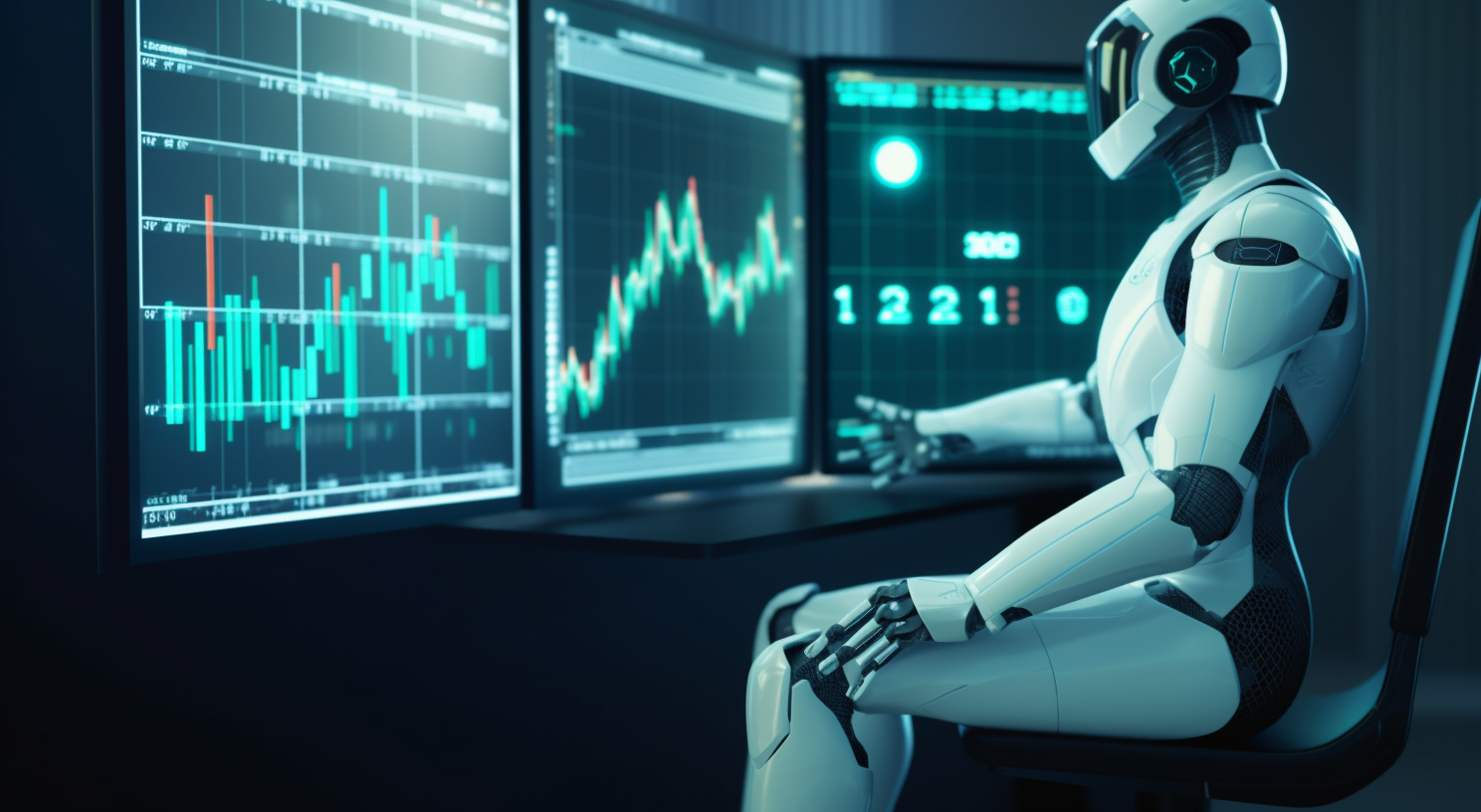
Trading in financial markets has changed significantly with the growth of technology. Many traders now rely on Automated Trading systems to improve efficiency and reduce the emotional challenges that often affect decision-making. Automated trading uses computer programs and predefined rules to execute trades automatically based on market conditions.
Why Is Automated Trading Becoming Popular?
One of the main reasons for the popularity of automated trading is speed. Automated systems can analyze large amounts of market data and place trades within seconds. This allows traders to react quickly to changing market conditions without constantly monitoring charts and price movements.
Another advantage is consistency. Human emotions such as fear and greed can lead to poor decisions during volatile markets. Automated systems follow pre-set strategies and execute trades according to specific rules, helping traders maintain discipline and avoid impulsive actions.
How Does Automated Trading Improve Trading Strategies?
Automated trading allows traders to test strategies using historical data before applying them in real market conditions. This process, often called backtesting, helps identify strengths and weaknesses in a strategy. By making adjustments, traders can improve performance and increase confidence in their trading plans.
Automation also supports better risk management. Traders can set stop-loss levels, profit targets, and position sizes in advance. Once these settings are in place, the system manages trades automatically, reducing the need for constant supervision.
What Should Traders Consider Before Using Automation?
Although automated trading offers many benefits, it is important to remember that no system guarantees profits. Market conditions can change unexpectedly, and strategies may require regular updates. Traders should monitor system performance and ensure that their automation tools continue to match their financial goals and risk tolerance.
Conclusion
Automated trading has become an important tool for modern traders seeking efficiency and discipline. By combining technology with well-designed strategies, traders can simplify the trading process, improve consistency, and make more informed decisions in the ever-changing financial markets.